


The first time I met poteca nut roll, I didn’t even know its name. It showed up unannounced at a holiday gathering in Astoria—Queens again, because food destiny apparently lives off the N/W line. Someone’s aunt (there’s always an aunt) set it on the table like it was no big deal. No fanfare. No explanation. Just a sliced spiral loaf, dusted lightly with powdered sugar, sitting there minding its own business.
I took a bite out of politeness.
And then I took another because—wow. Soft dough. Sweet, nutty filling. That slightly old-world flavor that makes you feel like you accidentally stepped into a memory that isn’t even yours. It was cozy. It was familiar in a way I couldn’t place. Like a sweater you forgot you loved.
Someone said, “That’s poteca.”
I nodded like I knew what that meant.
I did not.
Poteca: Not Loud, Not Flashy, Just There for You
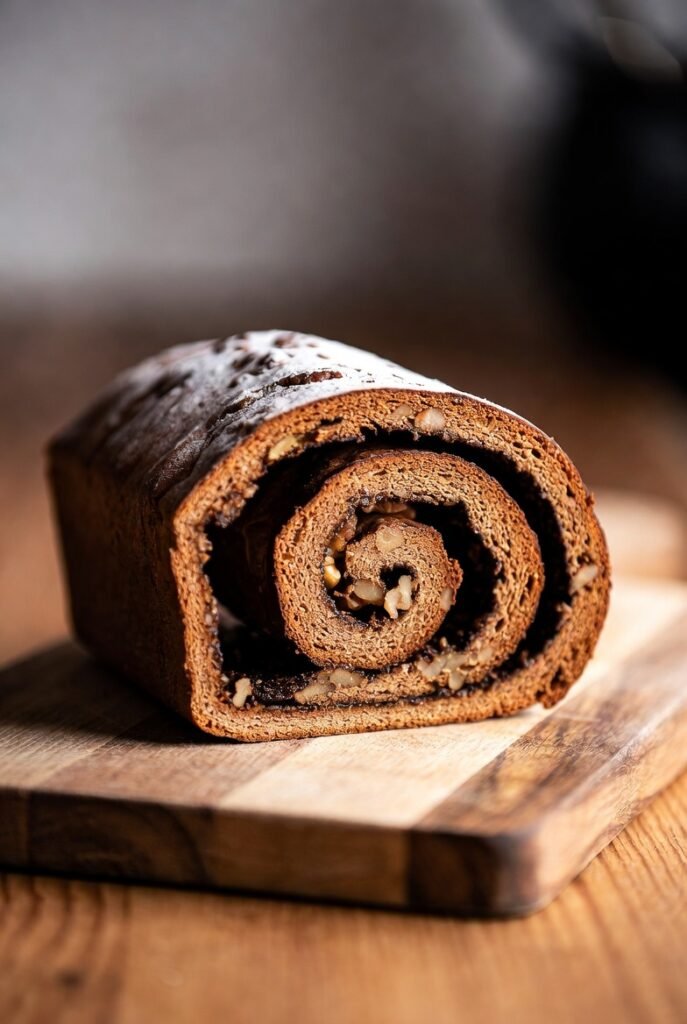
Poteca (also spelled potica, depending on who you’re arguing with) is a traditional nut roll from Slovenia and surrounding regions. It’s yeast dough rolled thin, spread with a walnut filling, and baked until your kitchen smells like comfort and patience.
This is not a dessert that screams for attention. It doesn’t do fireworks. It doesn’t care about trends.
Poteca just exists.
And somehow that makes it better.
You don’t eat poteca standing up while scrolling your phone or sit down. You take a slice. Maybe another. You talk. Or you don’t. Either way, it’s doing its job quietly in the background.
Honestly? We need more foods like that.
How Poteca Found Its Way Into My Queens Life
Queens has a funny way of introducing you to things. You don’t seek them out. They just… happen.
A bakery you’ve passed a hundred times suddenly has poteca in the window. A neighbor offers you “some nut bread” and then watches your face carefully as you eat it, waiting for approval. A holiday table suddenly has three versions and everyone swears theirs is the best.
I started noticing poteca everywhere after that first bite. Like when you learn a new word and suddenly hear it all the time. Baader-Meinhof phenomenon, but make it dessert.
The First Time I Tried Making Poteca (Deep Breaths)
I’ll be honest: poteca intimidated me.
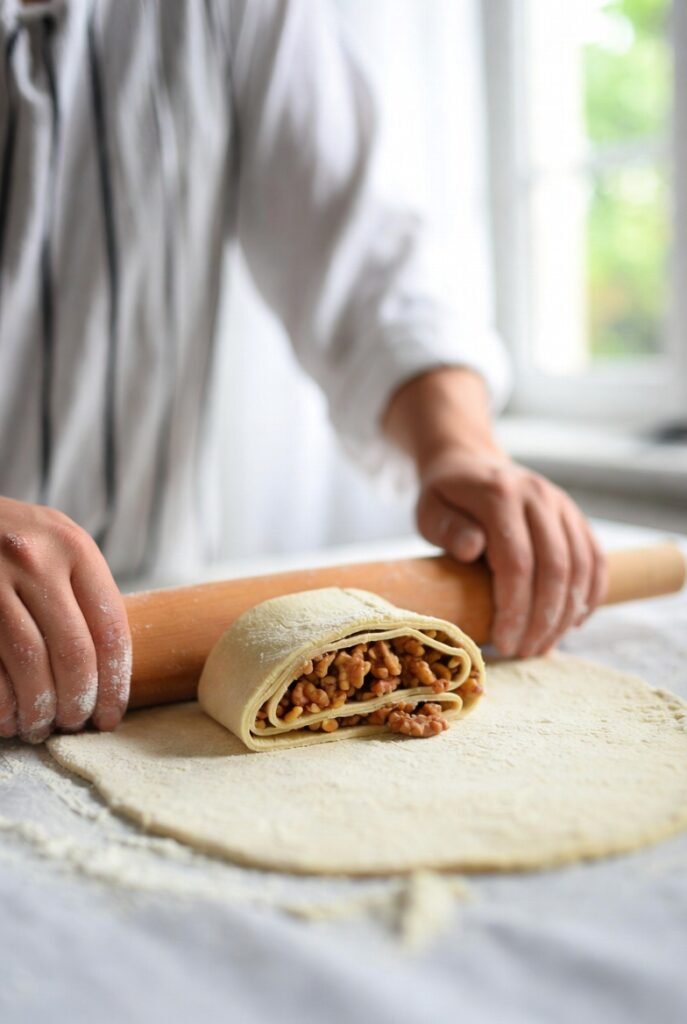
Rolling dough thin enough to read a newspaper through it? That felt personal. That felt like something someone’s grandmother could do effortlessly while judging you.
But one winter weekend—gray sky, nowhere to be—I tried.
I rolled and stretched. I panicked. The dough tore. I patched it like a pothole repair. I whispered encouragement to it like, “You’re doing great, sweetie.”
The filling spilled. The roll wasn’t tight enough. Or maybe it was too tight? Hard to say.
But when it baked? When I sliced it?
It still tasted like poteca.
Not perfect. Not symmetrical. But warm, nutty, and deeply satisfying. Which honestly felt like a metaphor I didn’t ask for but accepted anyway.
Why Poteca Nut Roll Feels Like a Hug
Some desserts are flashy dates. Poteca is a long marriage.
It’s sweet, but not loud about it. Nutty, but not heavy. The dough is soft in that way that feels earned, like it waited patiently to rise and wasn’t rushed.
You eat poteca and suddenly you’re thinking about holidays. Family kitchens. People arguing softly in the background. Someone saying, “Just take another slice,” even though you’re already full.
It’s not about indulgence. It’s about continuity.
Which sounds deep. I know. I’m talking about nut bread. But still.
Traditional Poteca vs. Modern Twists (Here’s Where It Gets Fun)
Classic poteca is walnut-filled. Period. End of sentence.
But Queens energy doesn’t really stop there.
I’ve seen:
- Chocolate-walnut poteca
- Almond filling
- Pistachio (controversial, but good)
- Citrus zest sneaking into the dough
- A light glaze instead of powdered sugar
One time someone added espresso powder to the filling and I almost cried. Not emotionally. Just… spiritually.
That’s the modern twist part. You respect the tradition, but you also let it breathe. Like wearing vintage jeans with new sneakers.
A Brief Rant About Slices (Important)
Poteca slices should not be too thin.
I said what I said.
You need enough thickness to get the swirl. The contrast. The dough-to-filling ratio that makes sense.
If your slice is see-through, that’s not a slice. That’s a suggestion.
When Do You Eat Poteca?
Yes.
But also:
- Morning with coffee (elite choice)
- Afternoon when you “just want something small”
- After dinner when you swear you’re done eating
- The next day, slightly stale, somehow better
Poteca has range. It’s not demanding. It fits where you put it.
Poteca and Memory (Sorry, This Gets Soft)
There’s something about old recipes that feels grounding. Poteca has been made for generations without needing to be reinvented every five minutes.
And in a city that moves as fast as New York—especially Queens, where everything overlaps—poteca feels like a pause. Like someone saying, “Hey. Sit. Eat. It’s fine.”
I didn’t grow up with it, but somehow it still feels familiar. Maybe because tradition travels. Or maybe because good food doesn’t need a backstory to mean something.
A Few Things I’ve Learned (Trial, Error, Crumbs Everywhere)
- Don’t rush the dough. It knows.
- The filling should be spread thin but confident
- More walnuts than you think (always)
- It freezes surprisingly well (hypothetically)
Also: powdered sugar is optional, but vibes are not.
Final Thoughts (Not Wrapping This Up Neatly)
Poteca nut roll is one of those foods that sneaks into your life and stays. You don’t chase it. You just keep noticing it. On tables. In bakeries. In conversations that start with, “My grandmother used to make…”
It’s sweet and humble. It’s endlessly adaptable without losing itself.
And honestly? That’s kind of how I want to be.
🌐 Outbound Link Suggestions
- Cultural baking stories and heritage recipes: The Spruce Eats
- Cozy, nostalgic baking reads: King Arthur Baking Blog