


I didn’t discover Breton butter cake in France.
If you’ve never had Breton butter cake—also known as gâteau breton—it’s not what you might expect when you hear “French cake.” There’s no fluff. No layers. No fancy filling. It’s dense, rich, unapologetic, and quietly smug about it. Like someone who doesn’t own athleisure but somehow still looks great.
And once you taste it? You get it. Immediately.
The Day I Realized Butter Could Be a Personality
Back in the day—okay, like three winters ago—I was deep in one of those baking moods where everything feels a little gray outside and your brain says, Let’s make something cozy or spiral emotionally.
Queens winters do that to you.
I’d baked cookies. Cakes. Brownies. Stuff with chocolate explosions and gooey middles. But I wanted something… calm. Something that didn’t shout.
I read the ingredient list and laughed out loud.
“So it’s basically butter pretending to be a cake?”
Yes. Exactly.
And I respect that.
A Short (Messy) History Tangent
Brittany, France—where this cake comes from—is coastal, windy, and serious about butter. Especially salted butter.
Historically, this cake was made for celebrations. Weddings. Holidays. “You survived another year” moments. It’s sturdy and rich because it was meant to last.
Which is funny, because in my apartment, it lasts about… two days. Max.
But still. Tradition.
Ingredients (Yes, There’s a Lot of Butter)
You’ll need:
- 1 cup unsalted butter
- 1 cup sugar
- 4 egg yolks
- 1½ cups all-purpose flour
- ½ tsp salt
- 1 tsp vanilla
- 1 egg yolk + splash of cream for brushing the top
That’s it.
No baking powder. No baking soda.
We’re not making a cloud. We’re making a statement.
The Mixing Process (Slow Down, This Isn’t Banana Bread)
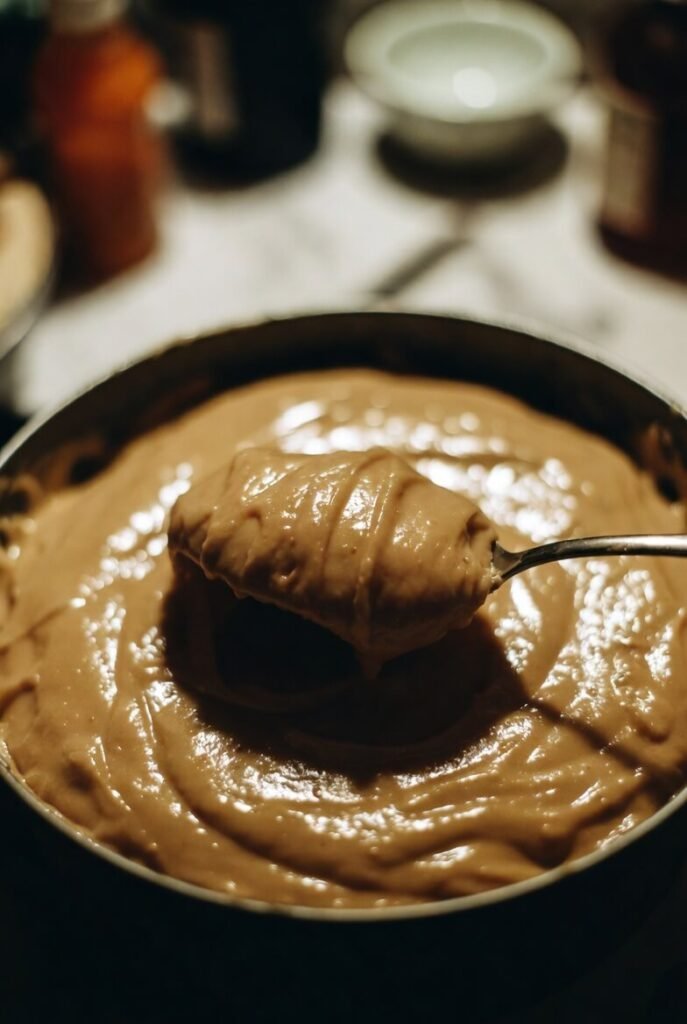
You cream the butter and sugar until smooth and pale. Not fluffy. Smooth. There’s a difference. One is whipped. The other is confident.
Add the egg yolks one at a time.
This part feels indulgent. It should.
Then flour and salt, gently mixed in. The dough will be thick. Like, really thick. Somewhere between cookie dough and modeling clay.
The first time I made it, I panicked.
“This isn’t batter,” I thought.
“This is paste.”
Relax. That’s correct.
Baking & the Smell That Changes the Mood
Bake at 350°F for about 45–50 minutes.
The top turns deep golden. The edges pull slightly from the pan. The center sets but stays tender.
You let it cool. Completely. This cake needs time. Like a good conversation or a bad decision.
How It Tastes (Hard to Explain, Easy to Love)
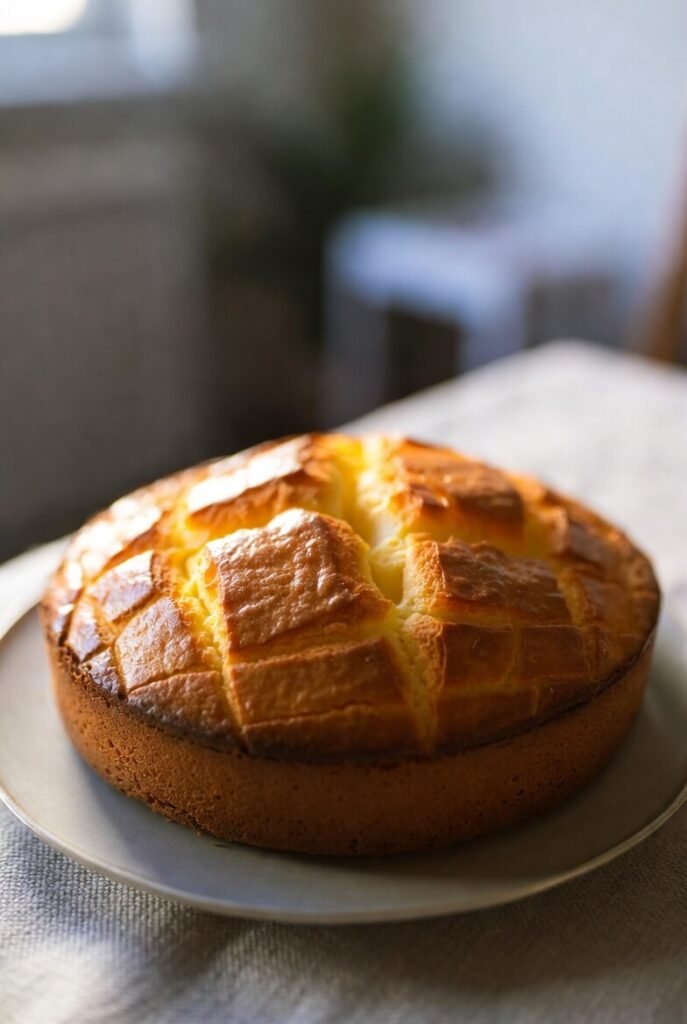
It’s buttery. Obviously.
But it’s also:
- Slightly crumbly at the edges
- Soft in the center
- Not overly sweet
It pairs beautifully with coffee. Or tea. Or silence.
I’ve eaten it:
- Plain
- With jam
- With a little whipped cream
- Standing over the counter at midnight
No wrong answers.
Things I’ve Learned the Hard Way
- Cheap butter = disappointing cake
- Don’t overbake or it dries out
- Let it cool or it falls apart
- It will taste better the next day (if it survives)
I should probably be embarrassed by how many times I “just checked” the pan while baking. But honestly? That’s part of it.
If You Want to Fall Down a French Dessert Hole
For real-deal French baking inspiration that still feels human, I love David Lebovitz’s blog—funny, honest, and not precious.
Final Thoughts
This Breton butter cake won’t scream for attention.
It doesn’t sparkle and doesn’t drip.
It just sits there, golden and confident, waiting for you to notice how good it actually is.
Make it on a quiet afternoon.
Share it with someone you like.
Or don’t share it at all.
Tell me—plain slice or with jam?
And don’t say “depends.” I know it depends.


